Physical Address
304 North Cardinal St.
Dorchester Center, MA 02124
Physical Address
304 North Cardinal St.
Dorchester Center, MA 02124

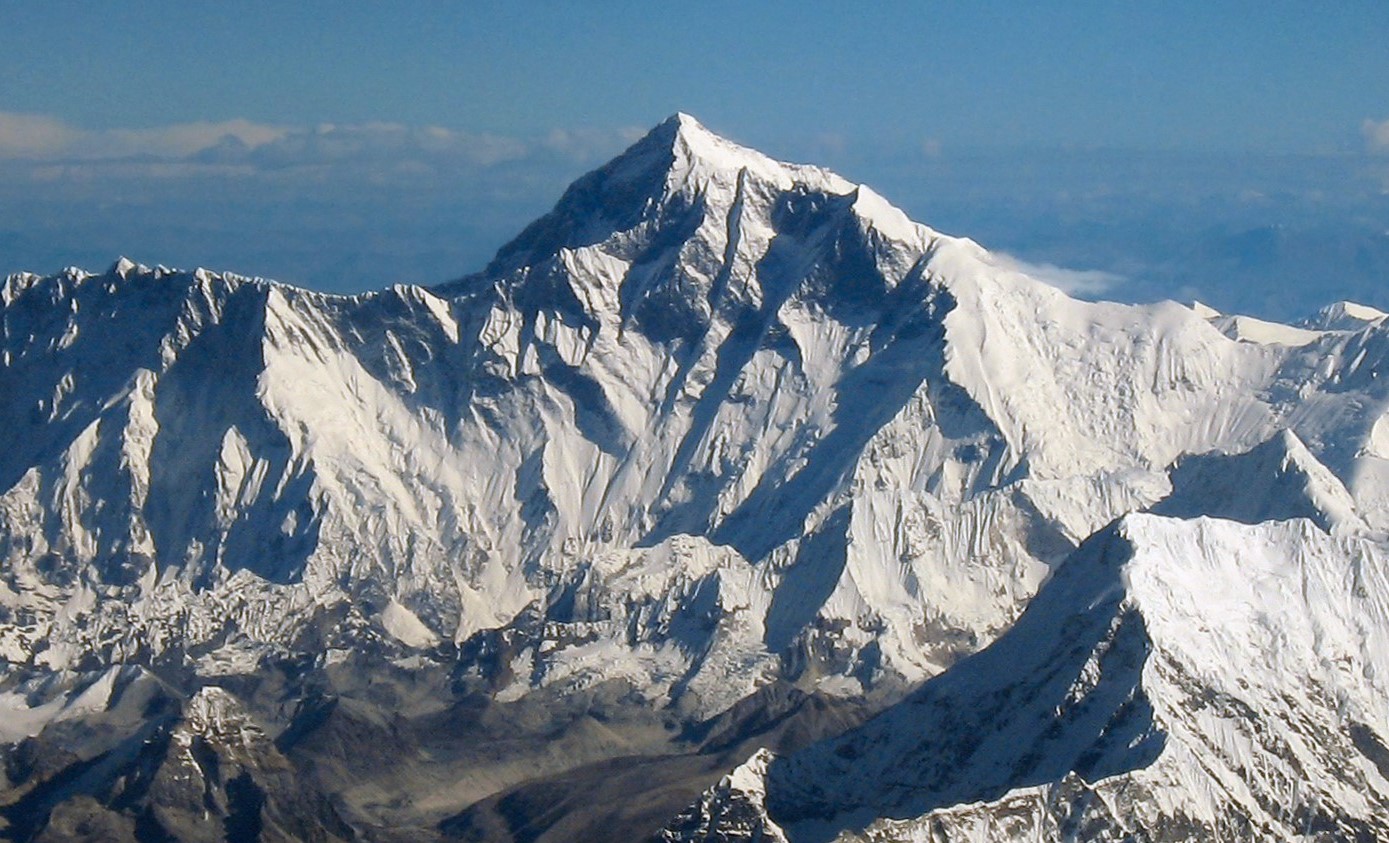
There’s something magnetic about mountains. They rise above the clouds, standing as symbols of endurance, strength, and mystery. For some, mountains are simply breathtaking backdrops. For others, they represent the ultimate challenge — a chance to test one’s limits against nature’s greatest forces.
If you’ve ever dreamt of scaling the highest peaks or simply want to admire them from afar, this list of the world’s mightiest 10 mountains will inspire you to look higher, dream bigger, and maybe even start planning your next adventure.
Known as the roof of the world, Mount Everest is the highest mountain on Earth. Straddling the border between Nepal and Tibet, it’s called “Sagarmatha” in Nepali and “Chomolungma” in Tibetan — both names honoring it as a goddess of the sky.
Climbing Everest is a monumental feat. The altitude, extreme cold, and unpredictable weather test even the most experienced mountaineers. Still, thousands attempt it each year, chasing the ultimate dream of standing atop the world’s highest point.
If Everest is the tallest, K2 is the toughest. Nicknamed the Savage Mountain, K2 is infamous for its steep slopes and deadly conditions. Located in the Karakoram Range, it remains one of the most dangerous peaks to climb.
Only the bravest and most skilled mountaineers dare to attempt K2. Those who reach its summit are not just climbers — they’re legends.
The third-highest mountain in the world, Kangchenjunga, is revered as sacred by locals in Sikkim and Darjeeling. Its name means “Five Treasures of the Great Snow” — representing gold, silver, gems, grain, and holy scriptures.
Wrapped in swirling clouds and surrounded by glaciers, Kangchenjunga offers stunning views but treacherous climbs. It’s one of the least climbed 8,000-meter peaks, preserving its untouched beauty and spiritual aura.
Standing beside Everest is Lhotse, the fourth-highest mountain on Earth. Many climbers encounter Lhotse while on their way to Everest’s summit, as they share much of the same route.
But Lhotse is a beast of its own. The famous Lhotse Face, a steep wall of ice, presents one of the most technically challenging ascents in the Himalayas. Those who make it to the top are rewarded with panoramic Himalayan views that few ever witness.
Shaped like a perfect pyramid, Makalu is both elegant and intimidating. It’s renowned for its razor-sharp ridges and steep climbs, making it one of the most difficult 8,000-meter peaks to conquer.
Located just 19 kilometers southeast of Everest, Makalu’s summit offers breathtaking views of neighboring peaks. Climbers who take it on often describe the experience as humbling — a true test of will and endurance.
Known as the Turquoise Goddess, Cho Oyu is the sixth-highest mountain in the world and often considered one of the more “approachable” 8,000ers.
While it’s less technical than others, the extreme altitude and sudden weather changes still pose serious risks. Cho Oyu’s summit, overlooking both the Tibetan Plateau and Mount Everest, is a serene and stunning reward for those who make the climb.
Translating to “White Mountain,” Dhaulagiri stands out with its sheer height and dramatic rise above the surrounding landscape. Its snow-clad peaks shine brilliantly in the sun, creating a breathtaking view.
However, the mountain’s beauty hides danger. Dhaulagiri is prone to avalanches and unpredictable storms, making it one of Nepal’s most formidable challenges for climbers.
Nicknamed the “Mountain of the Spirit,” Manaslu combines spiritual significance with stunning natural beauty. The surrounding region is home to the Manaslu Circuit — a trekking route famous for its serene trails and breathtaking scenery.
For climbers, the ascent is demanding yet deeply rewarding. Standing atop Manaslu is said to feel like being suspended between earth and sky — a moment of pure peace amidst the chaos of the climb.
Translated as “Naked Mountain,” Nanga Parbat is both majestic and menacing. Known as the “Killer Mountain” due to its deadly history, it features one of the largest mountain faces on Earth — the Rupal Face.
The climb is perilous, but those who brave its slopes are met with one of the most awe-inspiring panoramas in the world. It’s a mountain that demands respect — and repays courage with unmatched beauty.
Last but certainly not least is Annapurna I, the tenth-highest peak in the world. While not as tall as Everest, it’s far deadlier — with one of the highest fatality rates among 8,000-meter peaks.
Its name means “Goddess of the Harvests,” and the surrounding Annapurna region is a trekker’s paradise. The Annapurna Circuit offers a more approachable way to experience the majesty of this mighty mountain, winding through villages, valleys, and ancient trails.
Conquering these mighty mountains is about much more than reaching the top. It’s a journey of perseverance, preparation, and profound connection with nature. Each peak holds its own story — of triumph, tragedy, and human determination.
Whether you’re an adventurer dreaming of your first expedition or simply an admirer of nature’s wonders, these ten mountains remind us of one truth: it’s not the height that defines greatness — it’s the climb itself.
